
The LinkedIn Guide: How I Hit 10K Weekly Impressions

3x founder · Coach to 500+ founders
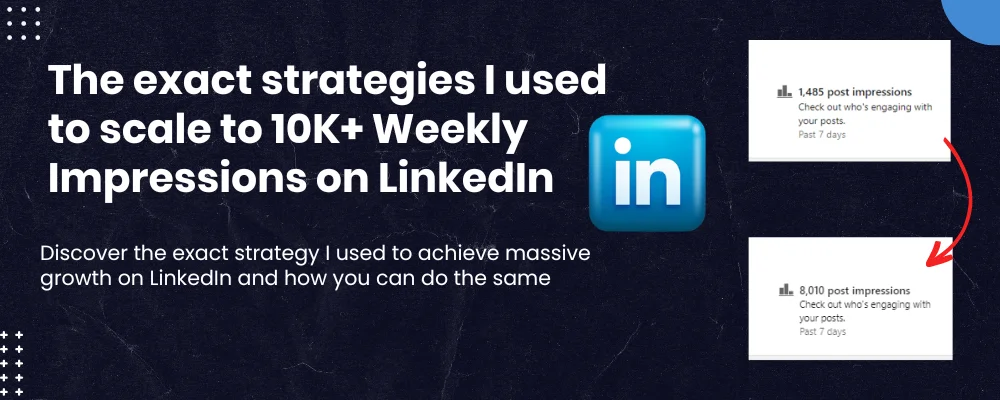
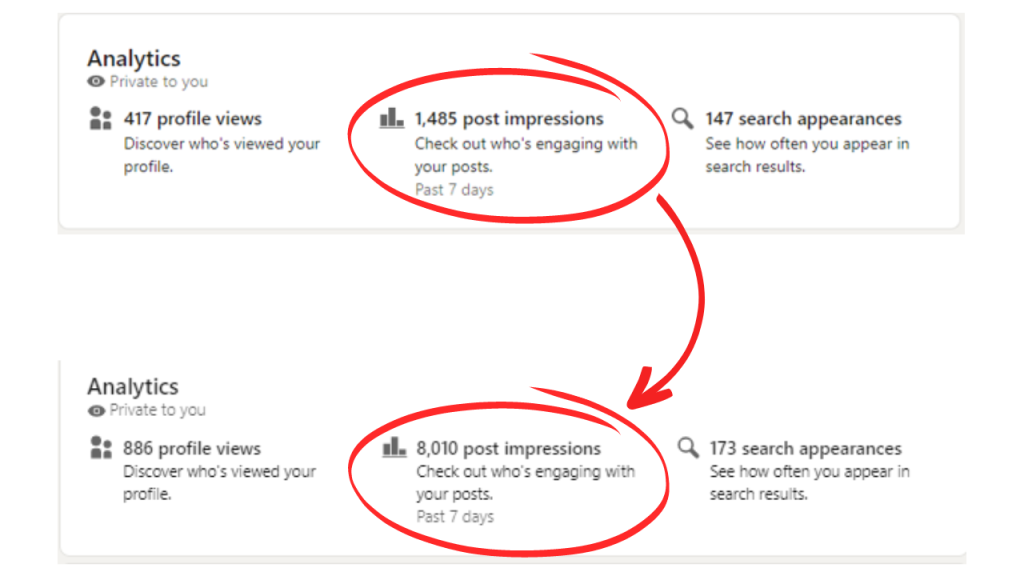
My LinkedIn posts went from 1,485 weekly impressions to 8,010 in a few months, and past 10,000 at peak. Zero ad spend and no ghostwriter. The number I care about more: coaching clients found me through those posts and paid me.
This LinkedIn guide is the system behind that curve. What to post, how to write it, how to sell without killing your reach, and how to turn a feed into booked calls.
One framing rule before the tactics. LinkedIn is a post-PMF B2B channel. It works once your ICP exists and a post can be aimed at a real buyer. The Startup Growth Playbook covers where LinkedIn fits in the stage-keyed framework, and the failure mode if you run it before your ICP exists. That’s the most common LinkedIn mistake I see.
Is LinkedIn worth it for founders?
Yes, if you sell to businesses and can name your buyer. LinkedIn is where your prospect checks you out after every cold email, intro, and conference handshake. Posting 2 to 3 times a week is the floor. Below that, your profile is a dead storefront the moment someone looks.
The channel also compounds with direct outreach. When a cold sequence stalls, my favorite breakup line is “I’ll see you on the LinkedIn feed. I post about this 2 to 3 times a week.” It costs nothing, and the prospect who ignored email #4 keeps seeing your thinking for months. When their pain gets loud enough, you’re the person they already trust.
What content types grow a founder’s LinkedIn?
Four formats built my impressions. Here’s each one, with what it did for me.
Text posts
Simple and still the highest ratio of result to effort. The first sentence is everything. The second sentence’s only job is to earn the “see more” click. Short lines, one idea per line, no hashtags. A wall of text dies in the feed.
Image posts
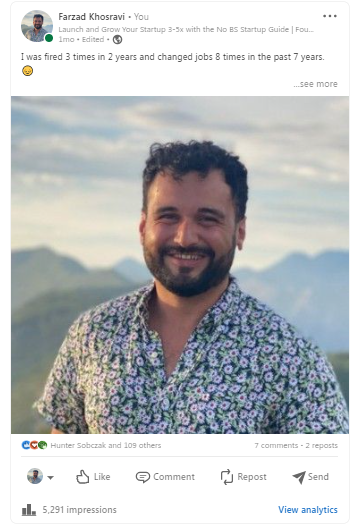
A photo of you plus a real story outperforms any stock graphic. My post about getting fired 3 times in 2 years pulled 5,291 impressions, and it worked because it cost me something to write.
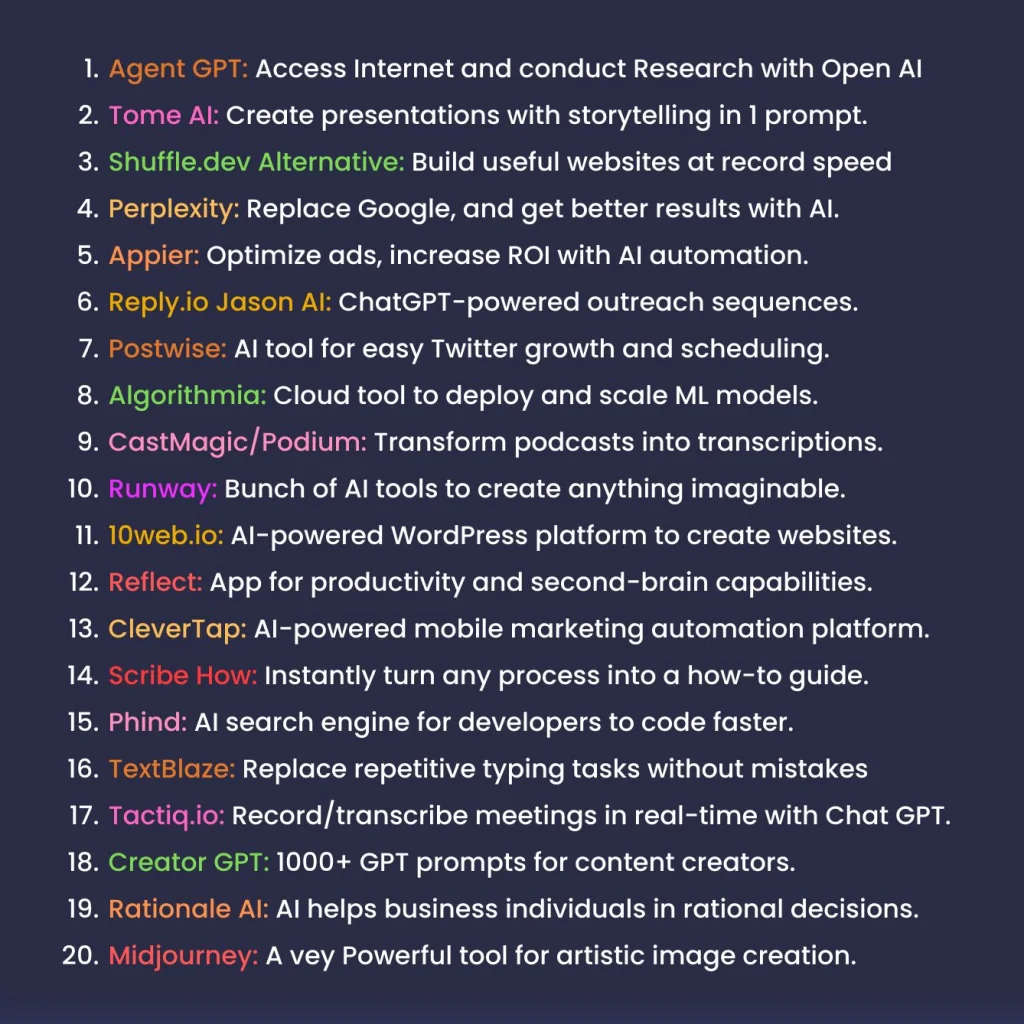
Value posts work too. A single image listing tools or steps gives the reader something to save.
Carousels
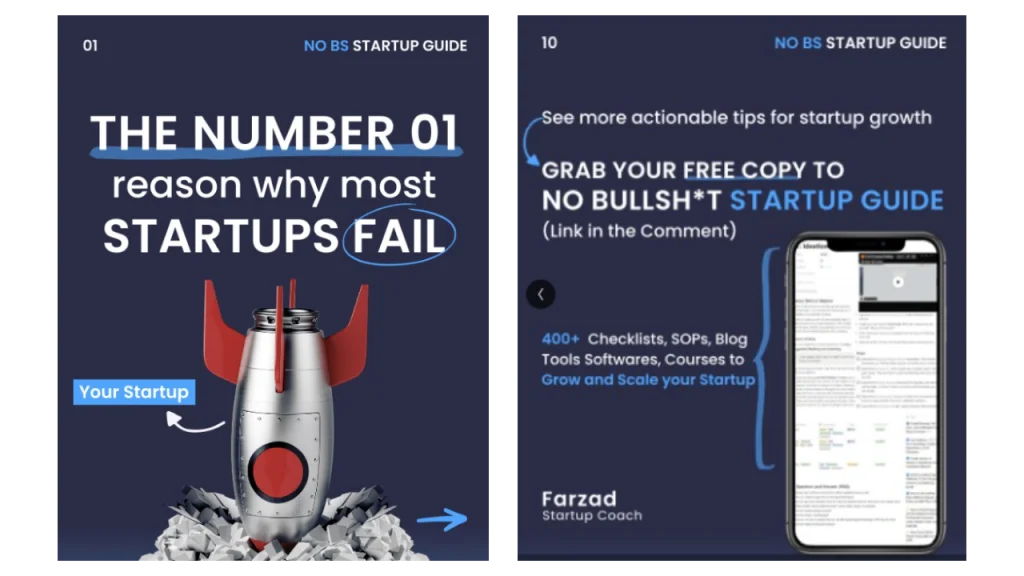
The algorithm rewards them because readers swipe, and every swipe is engagement. Hook on slide one, one idea per slide, CTA on the last slide. Canva has pre-built templates so a carousel takes an hour instead of an afternoon.
Video
I’ll be straight: video underperformed for me relative to the effort. If talking to a camera is your natural mode, run it. If it isn’t, the three formats above will grow you faster per hour invested.
How do you write a LinkedIn post that stops the scroll?
Every post I publish follows the same five-part shape, and it fits in 150 to 300 words:
- A first-line hook that’s specific. “I was fired 3 times in 2 years” stops the scroll. “I used to think leadership was about control” starts it again.
- A concrete story or framework. Something that happened, with numbers. Abstract advice is what everyone else posts.
- One named takeaway the reader can act on this week. One. A post with five lessons teaches none.
- No hashtags. They mark the post as content marketing and add nothing to reach.
- A soft CTA only when it fits. Most posts should end on the takeaway.
Then the readability pass. Short lines. One idea per line. If a post reads like a press release, your buyer’s thumb keeps moving. Write it the way you’d say it to one founder over coffee, because that founder is who you’re trying to reach.
How do you sell on LinkedIn without killing your reach?
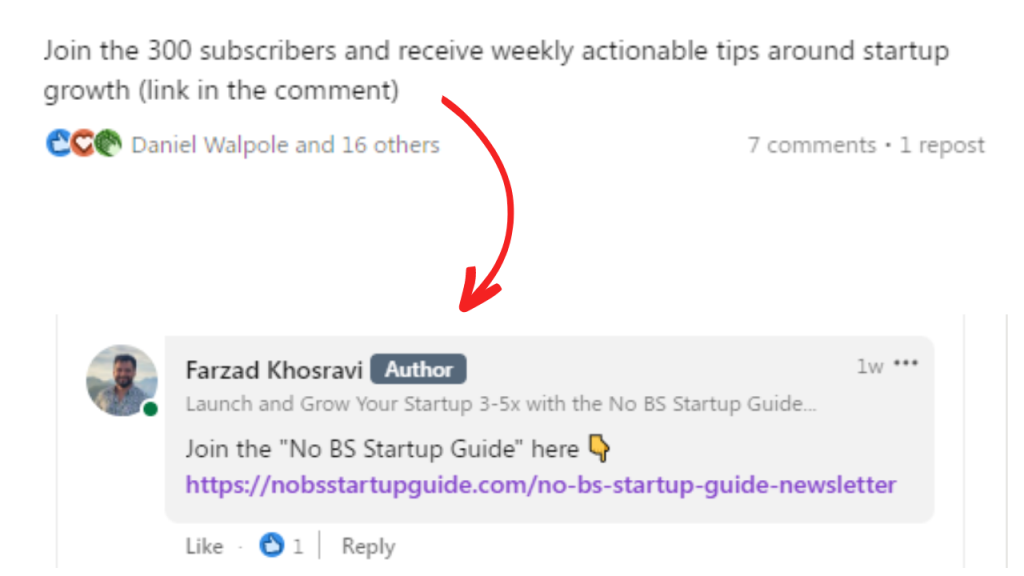
LinkedIn suppresses posts with external links because it wants users on the platform. So don’t put your product link in the post body. Put it in the first comment and pin it. The post keeps its reach and the interested reader still gets the link.
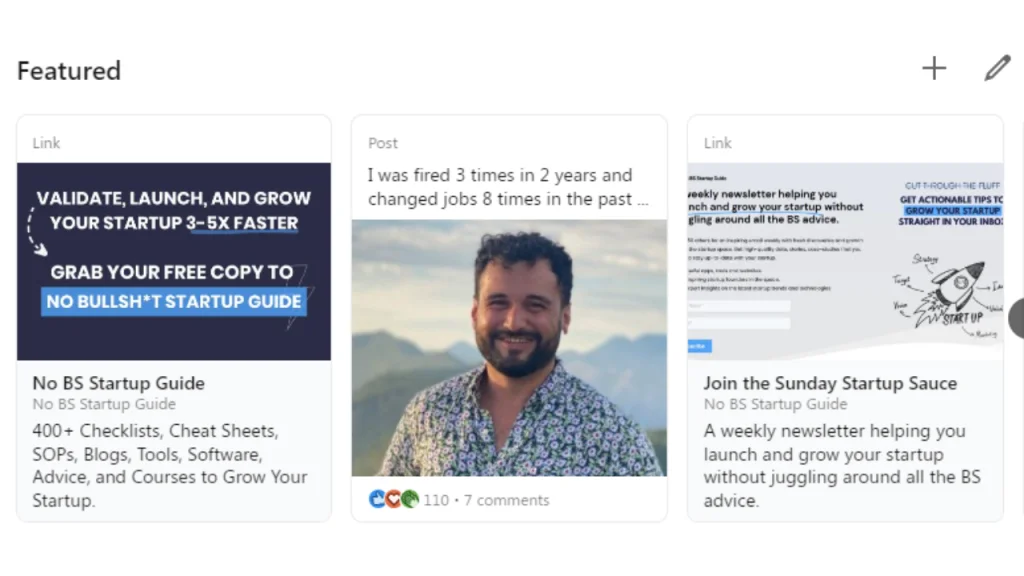
Then treat your profile as the landing page. Direct links belong in your Featured section, summary, and bio, so anyone who clicks through from a post can reach your offer in one step.
Keep the in-post CTA soft. “I wrote a guide on this, link in comments” reads fine. A pitch in every post trains your audience to scroll past you.
How do you turn impressions into pipeline?
Impressions are the scoreboard. Replies and booked calls are the game. Two moves convert one into the other.
Comment where your buyers already are. Leave substantive comments on posts from your ICP and from the voices they follow. A sharp comment on someone else’s post puts you in front of their audience for free.
Send personalized connection requests. One warning from a client campaign I coached: quoting someone’s own LinkedIn post back at them isn’t personalization. It’s stalking. Personalization that lands connects to the outcome the prospect wants. After they accept, a 60 to 90 second voice note in the DM stands out because almost nobody sends one.
If you have a cofounder or an early hire, run the surround-sound play. Two or three of you visit the prospect’s profile and connect within the same week. Credibility compounds when a buyer sees several people from one company show up. The prerequisite is that each of you posts 2 to 3 times a week, so the feed backs up the introduction.
On tools: Sales Navigator (~$120/mo) has search filters nothing else matches, including headcount-growth filters that surface companies with budget right now. For automation, cloud-based tools like Heyreach ($79/seat/mo) or Dripify ($39 to 99/mo) are the 2026 options. Avoid Chrome-extension automation entirely. LinkedIn detects it and bans the account, and losing a 5,000-connection profile costs more than any tool saves. When you’re ready to pair the feed with direct sequences, the outbound outreach playbook covers the email and phone side.
Here’s what the full loop looks like when it works. Mark, a client with an AI hiring tool, had a slick product and 5 signups in 3 months. He pivoted his effort to LinkedIn: reached out to recruiters directly, posted niche content aimed at them, and got featured in an HR newsletter. 100 paying users in under a month. The product never changed. The distribution did.
Where LinkedIn breaks
Honest limits, because this channel gets oversold:
- Pre-PMF. Posting into the void teaches you less than five customer interviews would. Validate first.
- Low-ticket B2C. Your buyer isn’t scrolling LinkedIn for a $12 subscription.
- Impatience. My curve took months of consistent posting. If you need pipeline in two weeks, run outbound instead and let LinkedIn compound behind it.
- The vanity trap. 10,000 impressions with zero conversations is a hobby. Watch profile visits, DMs, and booked calls, because impressions pay in applause.
If you want to go deeper on the content side, Justin Welsh’s LinkedIn Operating System is the canonical deep dive on founder-led LinkedIn.
The No BS Startup Guide covers LinkedIn inside the full acquisition system: the stage gate for every channel, the outreach sequences that pair with posting, and the templates.
Book a free strategy call if you’re posting consistently and the calls still aren’t coming. The problem is usually aim, and that’s a 30-minute fix.
Nobody has ever wired you money for an impression. Write for the one buyer who books the call.
Related startup guides
Use the startup guide to place LinkedIn inside the bigger growth system. If you need a broader organic engine, read the content marketing strategy. If you want a community-led acquisition example, read the Reddit marketing case study. For direct outreach that pairs with LinkedIn, read the outbound outreach playbook.
Related Startup Guides
All articlesGrow
Outbound Outreach for Early-Stage Startups: Templates
Outbound outreach for early-stage startups, without scaling spam. Templates, channels, and the operational playbook that gets replies. Steal the system.
Grow
A Content Marketing Strategy That Sells
A content marketing strategy that sells runs on one persona, one channel, one lead magnet, and one offer. The founder playbook, with real conversion numbers.
Grow
How I got to the Top of Reddit
How I got 50K+ impressions and 30+ signups from a single Reddit post. The exact tools, subreddit targeting, and posting method you can copy step by step.
Farzad Khosravi
No BS Startup Coach · 500+ Founders Coached
I help early-stage founders launch, grow, and lead with clarity. I cut through the noise to the few tactics that actually change your numbers. I've coached 500+ founders across validation, growth, leadership, and fundraising.